I don’t want your money, I want your vote and your voice.
I don’t fit the mold, I filed to run for governor anyway. Someone must ask these questions publicly because we need to discuss what comes next. This conversation can’t wait.
What if Oregon became the greenest state ?
“Green” is often treated as shorthand for environmental protection. But it should mean something more. A truly green economy is one that regenerates more than it extracts; restoring natural systems, strengthening communities, and building long-term resilience.
For Oregon, that should include:
•renewable energy leadership
• circular manufacturing and repair economies
• resilient local supply chains
• regenerative agriculture and forestry
• integrative wellness industries and plant medicine research • housing and infrastructure designed for long-term sustainability
The global economy is already shifting toward regenerative systems and sustainable production. Oregon should compete to lead that transition.
What if we measured public services by time and dignity?
Government programs often measure success through budgets and outputs. But people experience them differently, they experience them through time and dignity.
How long does it take to get help?
How many offices do you have to visit? How many forms do you have to fill out? Did the process treat you with respect?
For families navigating housing, healthcare, childcare, or disability services, these questions matter as much as the program itself.
If Oregon measured success through time and dignity, we could redesign public systems around the people they serve.
What if we measured economic depreciation?
Every system experiences wear and tear; roads break down, natural resources decline, communities absorb hidden costs.
But our tax systems mostly measure income and transactions, not the depletion of shared assets.
What if we started tracking depreciation (environmental, infrastructural, and social) and designed policies that reward regeneration instead?
The goal isn’t punishment. It’s alignment.
When markets recognize long-term costs, innovation often follows.
What if we treated care as infrastructure?
When we talk about infrastructure, we usually mean roads, bridges, ports, and power systems, but the systems that allow people to live and work are broader than that.
Childcare, elder care, disability support, and family stability function as infrastructure too. When these systems fail, parents can’t work reliably, healthcare systems strain, and communities absorb the consequences.
Recognizing care as infrastructure means designing policies that support the stability of families and caregivers — not just physical assets.
Investing in care strengthens both communities and the economy.
These aren't finished policies. They're starting points for conversation. Oregon has always been a place where people experiment and learn together. If these ideas spark curiosity, disagreement, or better proposals that's exactly the point. Let's talk.
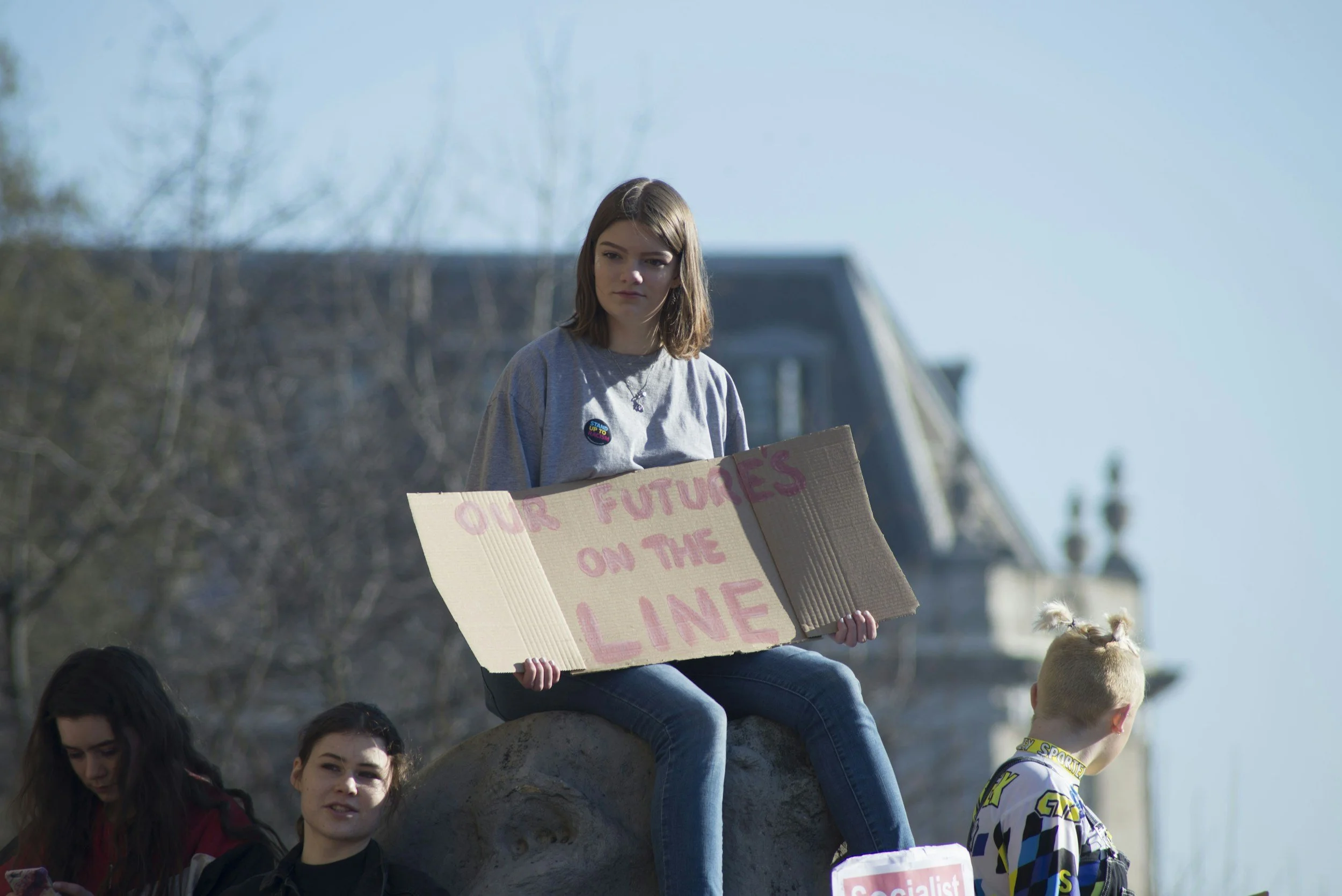
This campaign starts from a simple observation. Most people are not failing politics: politics is failing real life.
We’ve built systems that consume time, dignity, and attention, then blame individuals when they struggle to keep up. Leadership has become procedural instead of accountable, insulated instead of responsive, and increasingly disconnected from lived urgency.
This campaign is an experiment in governing differently, grounded in real experience, clear accountability, and practical redesign.
The Governing Lens: The Time & Dignity Test
Every policy should pass a basic test:
Does it respect people’s time?
Does it reduce unnecessary friction and administrative burden?
Does it preserve dignity without requiring money, expertise, or stamina?
Who absorbs the cost when the system fails?
Time is the hidden tax in modern life. We are being nickel and dimed out of our whole experience. Dignity is the invisible casualty.